
Your garage door is the hardest point which work all the time in your home, as it works multiple times and wears out because of excessive use. Understanding 10 common garage door problems and how to fix them quicklyb> could save you from a mess and even save you money. One of the most common issues is a noisy garage door. Squeaking or grinding sounds usually mean parts need lubrication or are worn out. Apply lubrication on hinges, openers, and springs to lessen the noise and ensure they work properly.
Another top issue is a slow response time. If your door hesitates when you press the remote, there could be weak batteries, sensor interference, or dirt buildup in the tracks. Always assess common garage door problems and solutions so that you can avoid issues in the long run. Broken springs are also very common. These springs carry the weight of the door, and when they break, the door becomes difficult or impossible to lift. There is no need to do DIY because professional help is always perfect.
Worn-out rollers can cause jerky movement or uneven operation. Replacing old rollers can improve the functionality. Cables may snap with excessive use because of high tension. Sensor issues are another typical problem. If your door won’t close, it might be due to misaligned or dirty sensors. A proper cleaning and adjustment can save you. This is how to fix garage door issues and help manage them. Regular inspection and maintenance can prevent most of these issues from becoming serious.
Garage Door Not Opening or Closing
Few things are more mess than a garage door not opening or closing. This kind of issue can be simple and even complex to manage. Start by checking the remote control. Dead batteries are the main reason. Replacing it or repairing depends on the work. Next, inspect the power source. Make sure the garage door opener is plugged in, and the circuit is never tripped. Sometimes, a simple reset can restore the functionality of the gate.
If the door still doesn’t respond, check the safety sensors. These sensors are located near the bottom of the door tracks. If there is dirt, then this will cause a hurdle in the working of the gate. Obstructions in the track can also prevent the door from moving.
In some cases, the problem may be with the opener motor or internal wiring. When sound is humming, then there is a high chance of an issue with the wiring issues/
For more serious issues like broken springs or cables, it’s best to call a professional. Always get quick garage door repair tips so that one can manage everything with safety.
Garage Door Track Alignment Problems
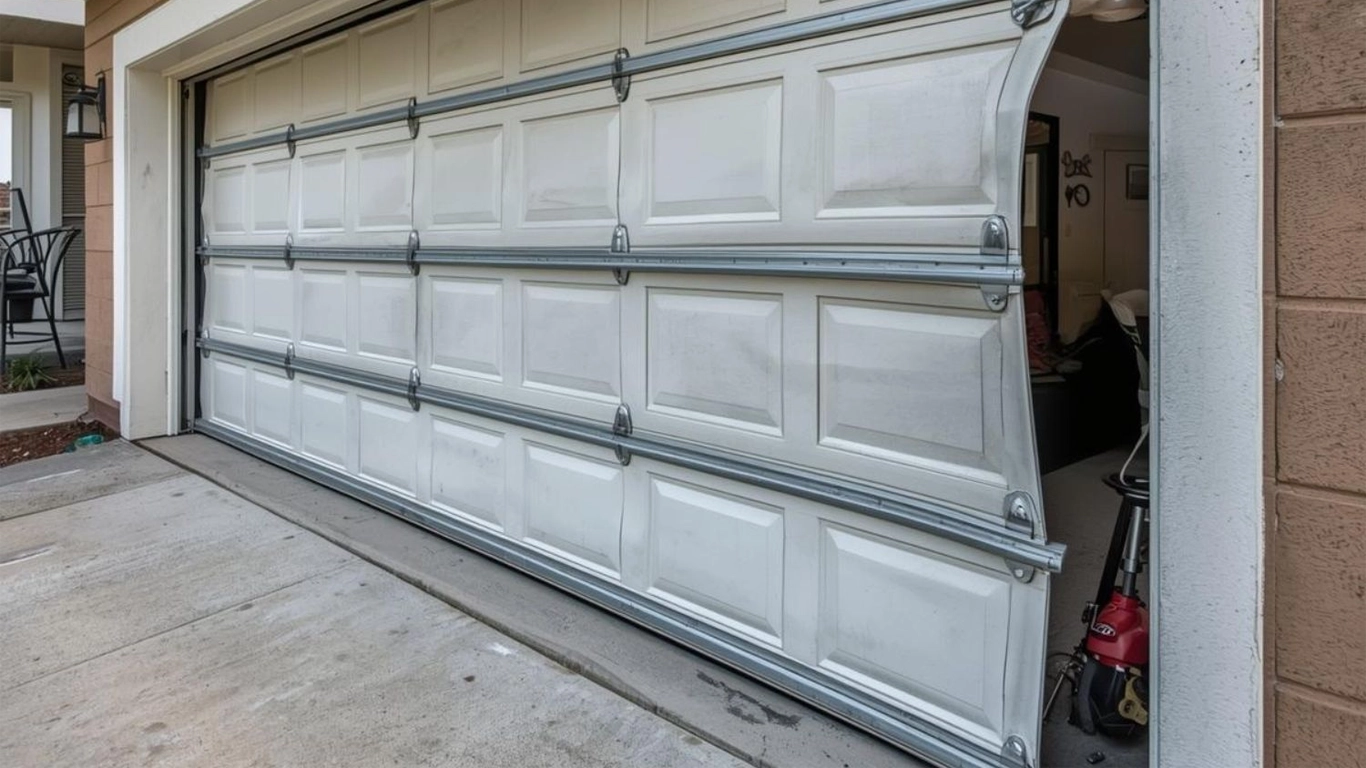
When it comes to garage door track alignment problems, this could be because of uneven issues. The tracks guide the gate because smaller issues can lead towards the issue in opening or closing. One sign of misalignment is a door that appears crooked or doesn’t move smoothly. You may hear noise, which shows issues in tracking the gate. To fix minor alignment issues, start by loosening the track brackets slightly. Gently tap the track to return it to the position.
Make sure both tracks are parallel and at the same height. Even a smaller difference can cause a mess. Cleaning the tracks is also important. Dirt and debris can cause the rollers to stick or move unevenly. The best thing is to use damp clothes to remove all the dirt. If the tracks are damaged, then it's time to get replacements. The crew manages garage door opener problems and fixes so that gate work can be restored.
Regular inspection of your tracks can help you catch alignment issues early so that serious damage can be prevented.
DIY Garage Door Repair Guide
A basic DIY garage door repair guide can help you tackle the issues so that’s syem can work well. It is always important to know the risks and limits. Start from inspection, in which you always look for bolts, worn parts and even signs of damage. Tightening hardware is the best way to maintain everything.
Lubrication is another essential step. Apply lubricant to all moving parts, including rollers, hinges, and springs. This can lessen the friction and allow the gate to work in a proper manner. Test the balance of your garage door by disconnecting the opener and lifting the door manually. If it doesn’t stay in place means alignment is problematic.
Replacing weather stripping is another easy DIY task. This keeps away the dust and pests. You can get proper noisy garage door repair solutions by managing everything with the latest methods.
While these tasks are safe for most homeowners, avoid attempting repairs involving springs, cables, or the opener motor. These components are under high tension and result in major problems if doesn’t treat in a proper manner. A good rule of thumb is to handle basic maintenance yourself and call professionals for complex ones.
Conclusion
Gates are carrying common issues, but there can be many disruptions. By understand the most, you can manage the issues on time. Always know when to call a garage door repair professional because this can save your time, energy and money.
Simple tasks like lubrication, cleaning, and tightening hardware can go a long way in preventing breakdowns. There are some signs that are warning, such as slow movement, strange noise, and not working properly.
While a DIY garage door repair guide is a very good option for fixing the small issues. But this is better to get professional help when a major problem happen. Issues involving springs, cables, or major mechanical components should be managed by experts.
Regular maintenance and timely repairs not only improve performance but also boost the lifespan of your garage door system. With the right approach, you can get safer and more reliable help.